


Fertility Acupuncture Gold Coast Acupuncture – Fertility and IVF Support

Acupuncture, Chinese Medicine and Chinese herbs can be used to help support both women and men with fertility issues. Our fully qualified Acupuncturists are familiar with all aspects of women and men’s health.
Providing support for:
- Natural fertility support.
- Infertility and Fertility problems.
- Family Planning.
Providing support for Assisted Reproductive Technology (ART):
- Support before, during and after In-Vitro Fertilisation (IVF).
- Support for Intrauterine insemination (IUI).
- Support for other fertility methods.
Providing support for Male Fertility:
- Sperm quality including sperm count, motility and morphology
- Hormonal Balance
- Stress reduction
Fertility Acupuncture Gold Coast
Female infertility results from an abnormal reproductive endocrine function [3]. Many diseases lead to female infertility, hindering the process of pregnancy from various nodes. Because Acupuncture has the function of adjusting the neuroendocrine system [4], its application in the field of reproduction has attracted extensive attention. Acupuncture can act on multiple parts of the female reproductive system to improve its function through the action of neuroendocrine signaling molecules, to improve female fertility.
How does Acupuncture support fertility?
The therapeutic effect of acupuncture on female infertility is mainly aimed at reproductive endocrine, Follicular development and Embryo implantation. [5]
Acupuncture has the potential to improve female fertility by increasing blood circulation to reproductive organs, balancing hormones, alleviating stress, and possibly enhancing egg quality and the rates of embryo implantation. Although certain studies indicate beneficial outcomes, especially when used alongside IVF, it is crucial to regard it as a supplementary treatment and to set realistic expectations.
Here are the mechanisms how acupuncture may help:
Enhancing Blood Circulation
Acupuncture has the ability to boost blood flow to the ovaries and uterus, which is essential for the development of follicles, a healthy endometrial lining (the uterine lining where an embryo attaches), and overall reproductive wellness.
Hormonal Balance
Acupuncture may assist in regulating hormones such as FSH, estrogen, and progesterone, which are crucial for ovulation, the menstrual cycle, and preparing the uterus for pregnancy.
Stress Reduction
Fertility treatments can induce significant stress. Acupuncture has demonstrated effectiveness in alleviating stress and anxiety, which may enhance the likelihood of conception and successful IVF cycles.
Addressing Specific Issues
Acupuncture can be used to address specific concerns such as irregular menstrual cycles, suboptimal egg quality, or a thin endometrial lining, all of which can affect fertility.
When to commence Acupuncture for Natural Fertility Support
Acupuncture can be a very helpful part of natural fertility support, but timing is key. The treatment schedule usually aligns with the menstrual cycle to regulate hormones, improve ovarian and uterine function, and support implantation.
The maturation of a single ovum to be released during ovulation takes about 14 days from the start of a menstrual cycle, though the full maturation process for a woman’s eggs is a much longer journey of 3-4 months. While a group of follicles begins to grow each cycle, one dominant follicle containing a single egg will fully mature, typically around day 14 of a 28-day cycle
We suggest having weekly treatments for about three months, since it takes roughly 90 days for an egg to mature. This consistent schedule helps regulate the menstrual cycle, balance hormones, and optimise egg quality before conception.
Whilst we understand that committing to weekly treatments for a full three months may not always be possible, we recommend starting treatments at any point within the 90-day window. Treatments during this time will still support your cycle regulation, hormone balance, and egg quality in preparation for conception.
1. Menstrual Phase (Days 1–5)
-
Goal: Support healthy shedding of the uterine lining and relieve cramps or clotting.
-
Focus: Improve blood flow, reduce pain, and prepare the uterus for a new lining.
-
Frequency: 1 treatment during this phase (usually within the first 2–3 days).
2. Follicular Phase (Days 6–12)
-
Goal: Nourish the developing follicles and support estrogen balance.
-
Focus: Encourage optimal egg development, improve endometrial growth, and reduce stress.
-
Frequency: 1–2 treatments during this phase, spaced a few days apart.
3. Ovulation Phase (Days 13–15, roughly)
-
Goal: Support ovulation and optimise conditions for fertilisation.
-
Focus: Promote smooth Qi and blood flow around the ovaries and fallopian tubes; relieve tension that could block ovulation.
-
Frequency: Ideally one treatment right before or during ovulation.
4. Luteal Phase (Days 16–28)
-
Goal: Support implantation and maintain a healthy uterine lining.
-
Focus: Encourage progesterone production, reduce uterine contractions, and calm the nervous system.
-
Frequency: 1 treatment during this phase, often about a week after ovulation.
Acupuncture for IVF Support
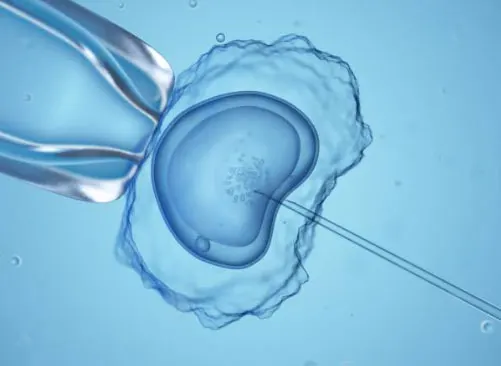
Acupuncture is frequently recommended as an additional treatment for patients going through their IVF cycle to promote follicular development and the thickening of the endometrial lining. It aims to decrease stress levels, enhance blood flow to the uterus, improve the chances of successful implantation, and ultimately increase the rates of clinical pregnancy and live births.
According to a systematic review and meta-analysis conducted by Professor Caroline Smith et al. in 2019, it is recommended to undergo acupuncture before and after IVF transfer. The study revealed that acupuncture performed around the time of embryo transfer led to a 50% increase in the clinical pregnancy rate when patients received over three treatment sessions.
Interestingly, the analysis also demonstrated that acupuncture had a greater positive impact on patients who had previously been poor responders to IVF compared to those undergoing their first IVF cycle. Moreover, it was found that an increased number of acupuncture treatments resulted in higher clinical pregnancy rates. Specifically, having 12 acupuncture sessions showed improved outcomes for live birth rates when compared to IVF embryo transfer alone or embryo transfer with acupuncture on the day of the procedure.
Acupuncture has been shown to be beneficial in IVF/ICSI for improving the clinical pregnancy, implantation, and live birth outcomes. These effects were shown in a 2018 Systematic Review and Meta-Analysis entitled “Effects of acupuncture during in vitro fertilisation or intracytoplasmic sperm injection: an updated systematic review and meta-analysis”.[6]
When to commence Acupuncture for IVF Support
Timing acupuncture treatments during an IVF cycle is important because each phase of the cycle supports different biological and hormonal processes. Acupuncture works best when it complements these specific IVF stages rather than being done randomly.
1. Pre-IVF Preparation Phase (1–3 months before stimulation)
Goal: Optimise egg quality, menstrual regularity, and uterine lining health.
-
Frequency: 1–2 times per week.
-
Focus:
-
Support follicular development and circulation to ovaries.
-
Regulate menstrual cycles, reduce PMS, and balance hormones.
-
Address underlying conditions like PCOS, endometriosis, or thin lining.
-
Why it matters: Eggs take approximately 90 days to mature, so pre-IVF acupuncture can influence the health of the eggs you’ll retrieve.
2. Ovarian Stimulation Phase (“Stims”)
When: Begins with the start of injectable fertility medications (gonadotropins).
Frequency: 1–2 times per week.
Goals:
-
Enhance blood flow to ovaries and uterus to promote healthy follicle and endometrial development.
-
Manage side effects of medications (bloating, mood swings, abdominal discomfort).
-
Reduce anxiety during frequent clinic visits and monitoring.
-
Support hormone balance (especially estradiol and progesterone).
Acupuncture points: Typically focus on improving pelvic circulation and calming the nervous system.
3. Egg Retrieval Phase
Timing:
-
Before retrieval: 1 session within 1-3 days prior to retrieval to promote relaxation and optimise circulation.
-
After retrieval: 1 session within 1–3 days after retrieval to assist recovery, minimise pain, reduce inflammation, and support uterine health.
Why: Retrieval is physically and emotionally demanding; acupuncture here can help reduce bloating and discomfort, support hormone shifts, and prepare the uterus for potential transfer.
Special note for fresh transfer cycles: Because progesterone levels can fluctuate rapidly after retrieval, calming the system can help prepare the endometrium for implantation.
4. Embryo Transfer Phase
This is the one of the most important acupuncture windows in IVF.
Timing:
-
One treatment within 24-48 hours before transfer, and
-
One treatment within 24–48 hours after transfer (not necessarily immediately post-transfer).
Rationale:
We have chosen a more conservative approach with regards to Acupuncture treatment around embryo transfer.
-
Reduced Risk of Uterine Contractions: Performing Acupuncture immediately after the transfer may potentially stimulate the uterus too soon, causing contractions that could affect the delicate process of embryo implantation. By waiting a day or two, there is less risk of causing any disruptions to the newly transferred embryos.
-
Stabilising Hormones: By waiting, Acupuncture can help stabilise the body’s hormonal environment and promote an optimal post-transfer uterine environment for implantation. At this point, the embryo has had time to settle into the uterine lining and Acupuncture can help “support” this process.
-
Reduced Stress and Anxiety: At 24-48 hours post-transfer, many patients experience heightened anxiety as they wait for early signs of pregnancy. Acupuncture can help manage this stress by regulating the nervous system, and some studies suggest that Acupuncture has a more profound impact on stress reduction in the 24-48 hour period post-transfer.
-
Focus on Relaxation and Balance: By this time, the body has experienced the procedure and is in a more balanced state to receive Acupuncture’s calming and blood-flow-enhancing effects without potentially interfering with the initial post-transfer healing phase.
- Logistical: We prefer our clients to avoid the logistical stress of immediate pre/post-transfer sessions at the clinic.
Why it matters: Studies have shown that Acupuncture performed before and after embryo transfer may increase pregnancy rates, likely due to improved endometrial receptivity and relaxation.
5. Post-Transfer / Two-Week Wait (2WW)
Frequency: Once or twice per week after transfer until the pregnancy test.
Goals:
-
Support implantation and early pregnancy.
-
Reduce stress and anxiety during the waiting period.
-
Maintain healthy progesterone function and uterine blood flow.
-
Address any mild symptoms (cramping, insomnia, mood swings).
If pregnancy test is positive: Continue acupuncture weekly through the first trimester to help reduce miscarriage risk, morning sickness, and anxiety.
Acupuncture for Male Fertility
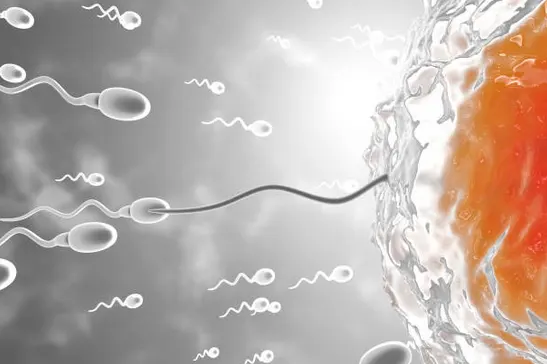
Acupuncture has the potential to enhance male fertility by improving sperm quality, balancing hormones, and alleviating stress.
Studies indicate that it may boost sperm count, motility, and morphology, while also elevating testosterone levels and decreasing oxidative stress.
Additionally, acupuncture may assist in regulating the hypothalamic-pituitary-gonadal axis, an essential hormonal control center, and mitigate stress, which can adversely affect sperm production.
Enhancing Sperm Quality
Increasing Sperm Count and Motility
Acupuncture has been demonstrated to elevate sperm count and enhance sperm motility (movement). This is vital for natural conception, as sperm must swim efficiently to reach and fertilise an egg.
Some clinical trials have indicated that Acupuncture enhances sperm motility (Dieterle 2009), boosts sperm count (Siterman 2009, Siterman 2001), improves sperm quality (Pei 2005; Gurfinkel 2003), and positively affects psychogenic erectile dysfunction (Engelhardt 2003). While the findings are encouraging, they remain in a preliminary phase regarding both the quantity and quality of the studies conducted.
Reduced Oxidative Stress
Acupuncture may assist in diminishing oxidative stress, which can harm sperm and hinder their functionality. By alleviating oxidative stress, acupuncture may safeguard sperm from damage and enhance their overall health.
Improved Sperm Morphology
Certain studies indicate that acupuncture can enhance sperm morphology (shape and structure). This is significant because sperm with abnormal morphology may struggle to fertilise an egg.
Hormonal Balance
Regulation of Testosterone
Acupuncture has the potential to assist in regulating testosterone levels, which are essential for sperm production and libido. Insufficient testosterone can adversely affect sperm production and sexual function, thereby potentially impacting fertility.
Balancing the HPG Axis
Acupuncture may aid in the regulation of the hypothalamic-pituitary-gonadal (HPG) axis, which plays a key role in managing hormone production within the reproductive system. By achieving balance in this axis, acupuncture can contribute to maintaining optimal hormone levels necessary for sperm production and overall reproductive health.
Stress Reduction
Reducing Cortisol Levels
Stress has the potential to adversely affect sperm quality and testosterone levels. Acupuncture is recognised for its capacity to alleviate stress and encourage relaxation by modulating the nervous system and decreasing cortisol levels, which is the hormone associated with stress.
Enhancing Overall Well-being
Through the reduction of stress and the promotion of relaxation, acupuncture can enhance overall well-being, which may have a beneficial effect on fertility.
Appointment Preparation
If you are planning an egg retrieval or transfer in the coming months or if you are considering using IVF then it is best to plan your Fertility Acupuncture treatments now. The development and maturation of both eggs and sperm require approximately three months.
Bookings are strictly by appointment only. We do not offer walk in appointments under any circumstances.
Please make sure you book your appointment in advance. Whilst not necessary, please bring any relevant paperwork with regards to any other appointments/results.
Our Practitioners
Dr. Peter Gospos
Senior Practitioner and Clinic Founder, Registered Acupuncturist – BHSc (Acu)
Peter Gospos has been practicing Acupuncture for 20 years. He is passionate about achieving optimal health for all of his clients.
Peter prefers to use Ultra-Smooth Japanese style needles to ensure complete patient comfort. All needles are sterile single-use Acupuncture needles. Peter prefers to use a minimal amount of needles during your treatment to achieve maximum effect.
Peter has a special interest in both acute and chronic musculo-skeletal pain. This includes low back pain, shoulder pain and knee pain. He also provides support for a wide range of general conditions such as headaches, migraines and digestive problems. He also supports clients to achieve mental well-being through the reduction of stress and anxiety.
Peter also offers support for women’s health (menstrual and menopausal issues, pregnancy health, induction of labour, fertility and IVF).
Peter has been registered with the Australian Acupuncture and Chinese Medicine Association (AACMA) since 2004. He is also government registered with the Australian Health Practitioner Regulation Agency (AHPRA).
Private Health Fund Rebates
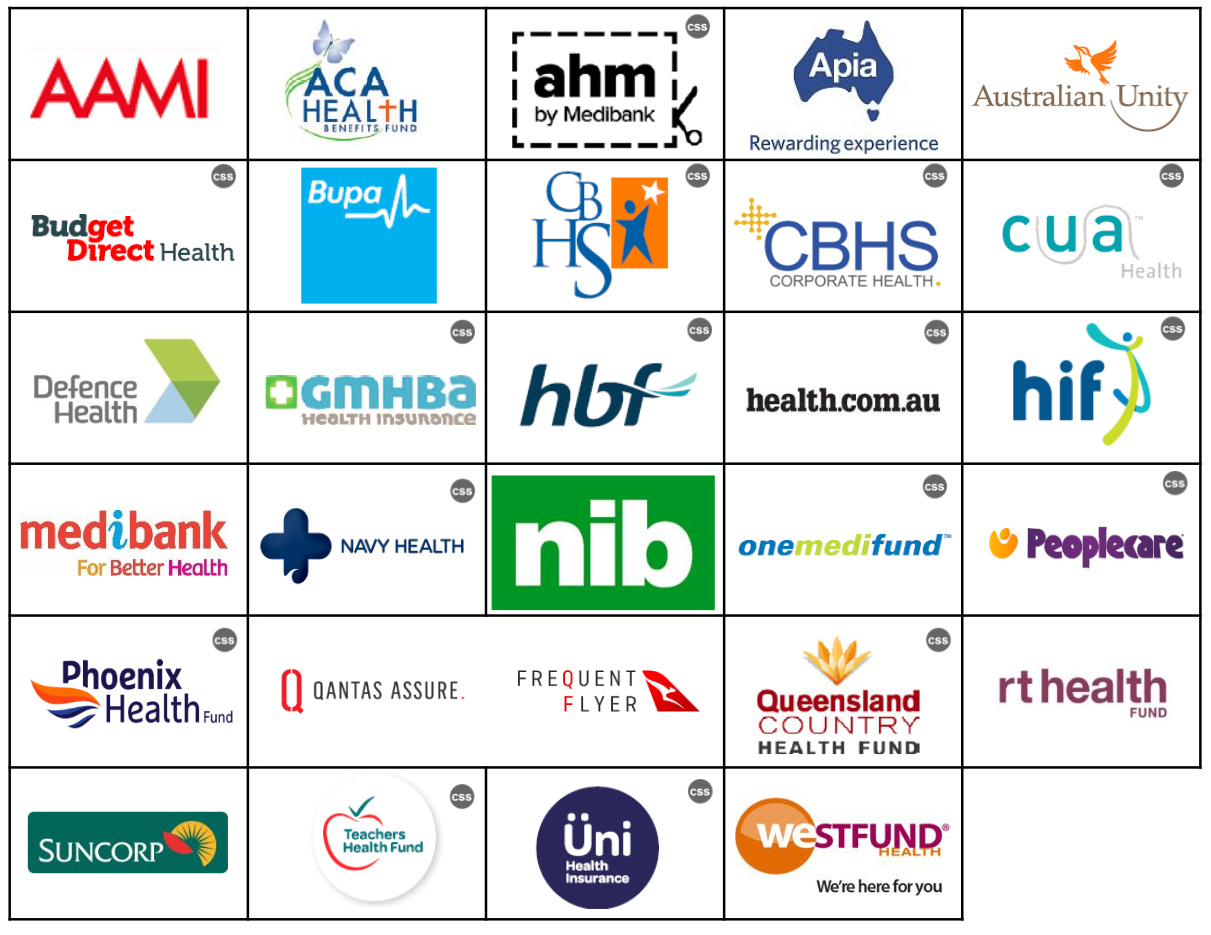
We are able to provide you with a health fund rebate using our HICAPS system. Some of the health funds that are claimable through our HICAPS machine for Acupuncture are as follows.
Pregnancy Acupuncture Gold Coast Location
The Gold Coast Acupuncture Clinic is located in the Albert Centre at 5/18 Ferry Street, Nerang.
This is also a great location for our customers in the surrounding suburbs of Nerang including Gilston, Highland Park, Mount Nathan, Carrara, Ashmore, Gaven, Molendinar, Worongary, Helensvale, Coomera, Hope Island, Oxenford, Upper Coomera, Pimpama, Ormeau, Maudsland, Willowvale and Tamborine Mountain.
Book your appointment
Call our Clinic
You may call us at our Nerang clinic directly.
Phone: (07) 5573 6601
Book Online 24/7
You may book an appointment online by clicking here.
References
[1] Tsuei JT, L. Y. (1974), Induction of labour by acupuncture and electrical stimulation. Obstetrics & Gynecology, 43(3), 337-342.
[2] Smith CA, C. C. (2004), Acupuncture for induction of labour, The Cochrane Database of Systematic Reviews (1).
[3] Inhorn M. C., Patrizio P. Infertility around the globe: new thinking on gender, reproductive technologies and global movements in the 21st century. Human Reproduction Update . 2015;21(4):411–426. doi: 10.1093/humupd/dmv016.
[4] Wang J. X., Yang Y., Song Y., Ma L. X. Positive effect of acupuncture and cupping in infertility treatment. Medical Acupuncture . 2018;30(2):96–99. doi: 10.1089/acu.2017.1265.
[5] Jing-yu Xu, An-lan Zhao, Ping Xin, Jun-ze Geng, Bao-juan Wang and Tian Xia. Acupuncture for Female Infertility: Discussion on Action Mechanism and Application. Evid Based Complement Alternat Med. 2022; 2022: 3854117. Published online 2022 Jul 4. doi: 10.1155/2022/3854117
[6] Xian Zhang, Myeong Soo Lee, Caroline A.Smith, Nicola Robinson, Yong Zhou, Yan Wu, Ying-Ying Mao, Fan Qua. Effects of acupuncture during in vitro fertilization or intracytoplasmic sperm injection: an updated systematic review and meta-analysis (2018)
[7] Ried K, Stuart K., Efficacy of Traditional Chinese Herbal Medicine in the management of female infertility: a systematic review, 2011, Discipline of General Practice, School of Population Health & Clinical Practice, The University of Adelaide, South Australia.